Back to Prompt Library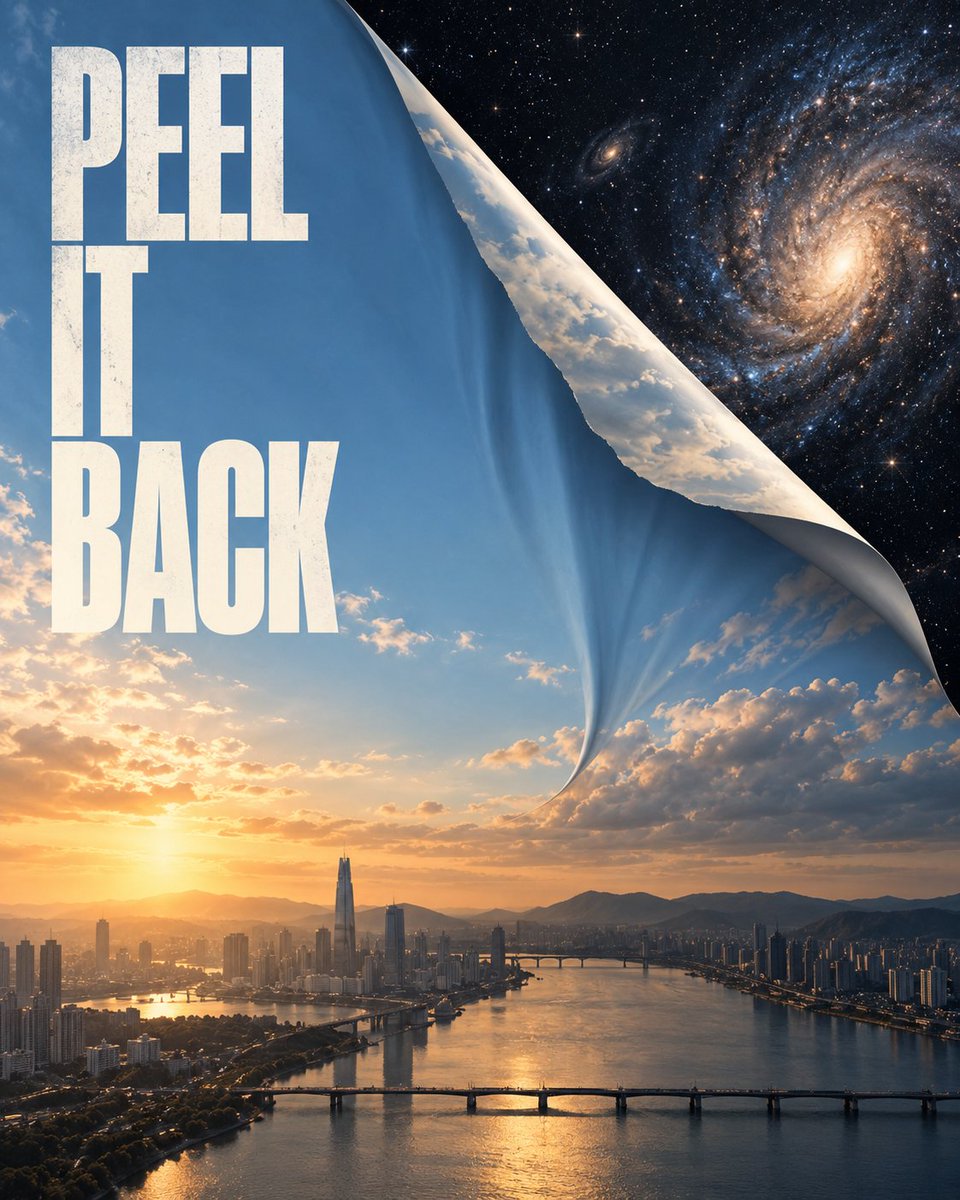
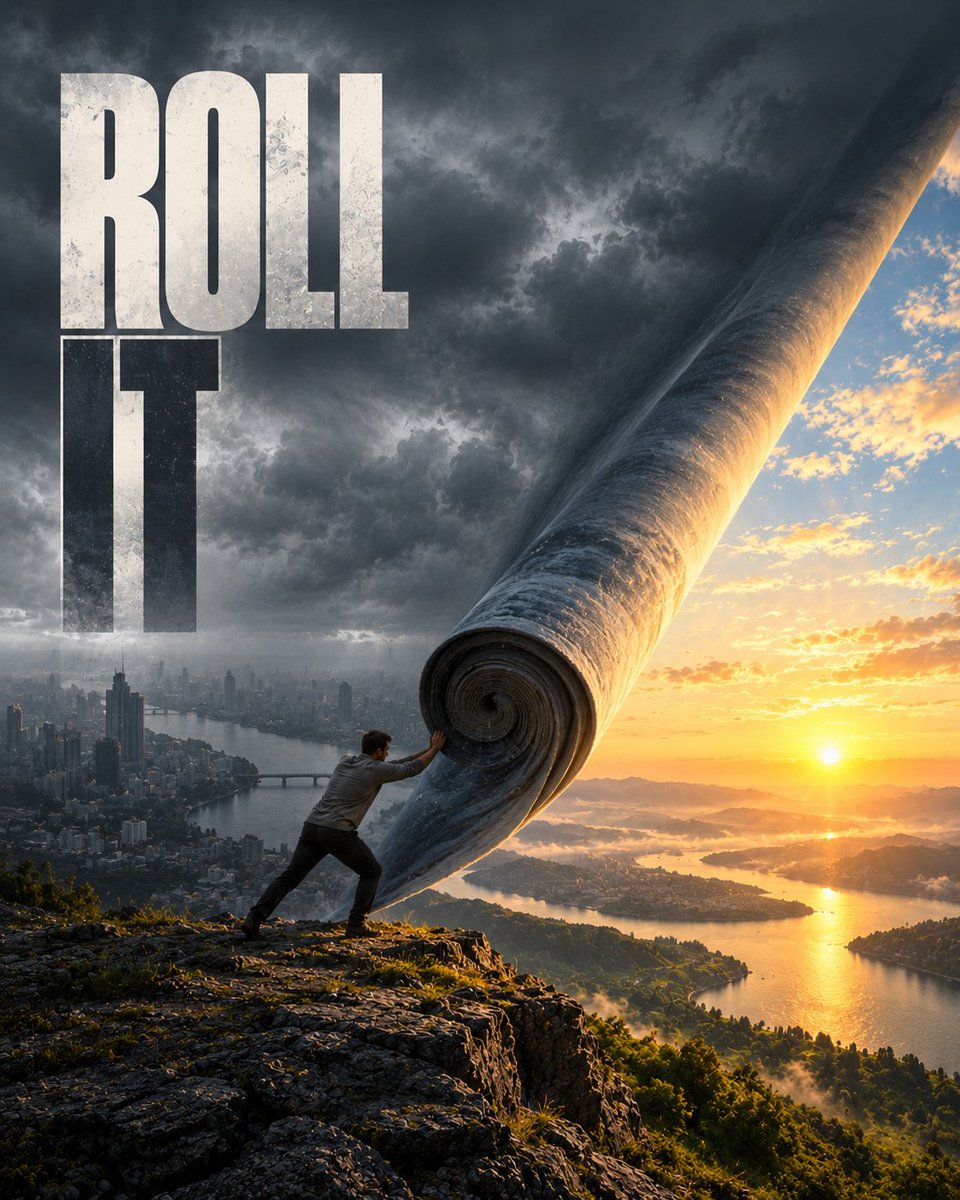
Surreal Torn-Reality Editorial Advertising Poster
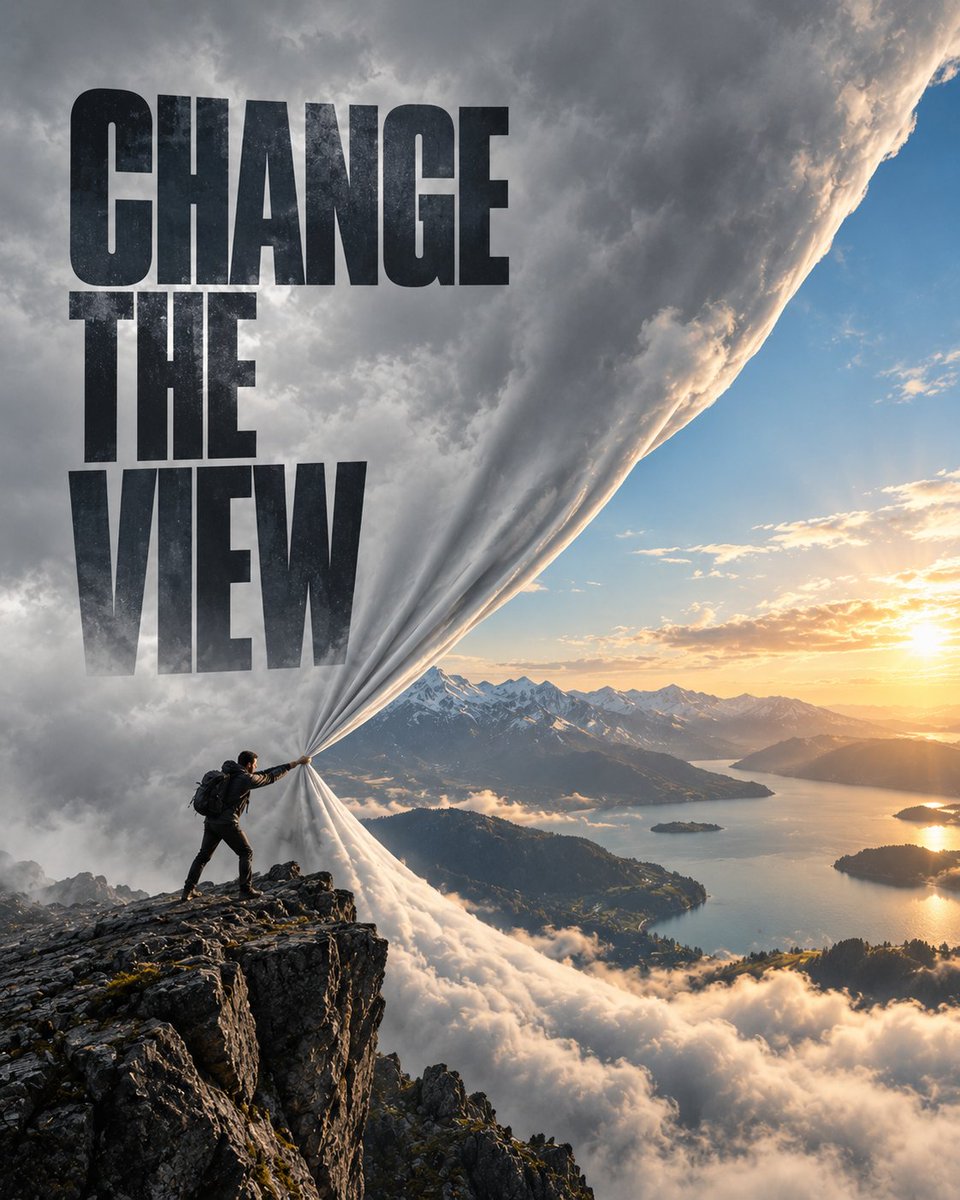
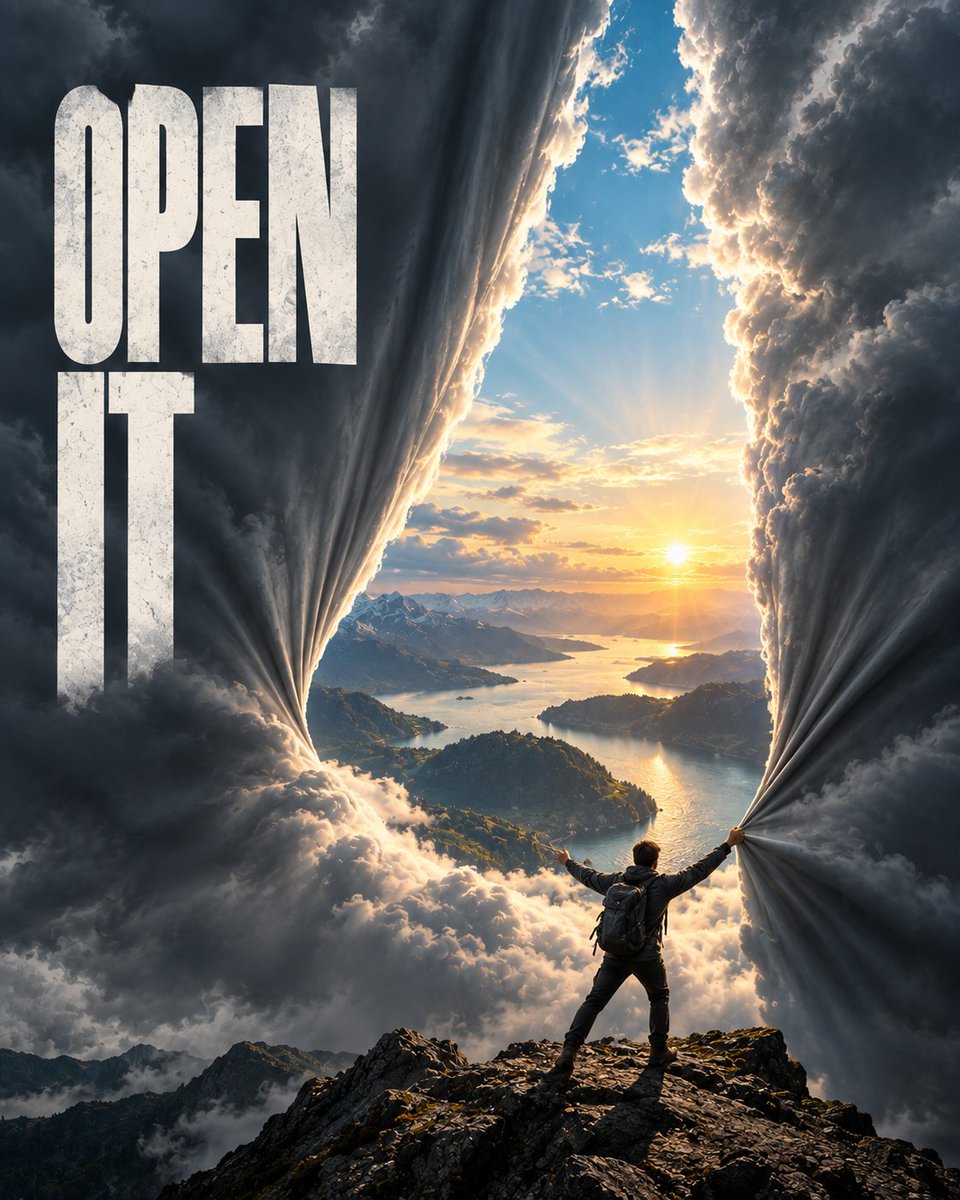
Monumental conceptual ad poster where the sky behaves like paper and gets zipped open to reveal a hidden world, with a bold headline fused into the tear.
Prompt
Create a spectacular stop-scrolling surreal editorial advertising poster in a vertical 4:5 composition.
CORE CONCEPT
Take an untouchable element of reality—the [sky]—and make it physically behave like [paper].
Show one monumental physical action: [zip it open].
Behind the manipulated reality, reveal [a glittering galaxy of stars]. The contrast must instantly communicate a message of limitless imagination. The concept should be understandable within one second without relying on text.
SCALE & REALISM
Make the intervention enormous, affecting a major portion of the environment so reality itself feels tangible. Give the material convincing thickness, folds, tension, torn edges, wrinkles, reflections, shadows, deformation, or wetness appropriate to its physical properties.
COLOR
Use strong controlled contrast:
Visible world: deep navy blue
Hidden world: warm gold
Accent: crisp white
Limit the palette to 3–4 dominant colors.
TYPOGRAPHY
Headline: "[OPEN YOUR MIND]" — maximum 2–5 words. Use one premium editorial typeface: ultra-condensed grotesk.
Integrate the typography into the physical action. Letters may tear, fold, bend, disappear behind the opening, change color, or follow the distorted surface. Keep the headline instantly readable at thumbnail size.
VISUAL STANDARD
World-class conceptual advertising, surreal photography, monumental scale, hyperreal material behavior, cinematic lighting, bold negative space, controlled color blocking, tactile print texture, subtle analog film grain, and one unforgettable visual idea.
The final image should trigger an immediate "HOW IS THAT POSSIBLE?" reaction while remaining elegant, sophisticated, and suitable for a global fashion, culture, or creative campaign.
AVOID: clutter, generic stock imagery, unnecessary characters or objects, excessive microtext, logos, QR codes, watermarks, generic AI-art aesthetics, and Canva-style templates.